
What to Know About Same-Day Dental Crowns
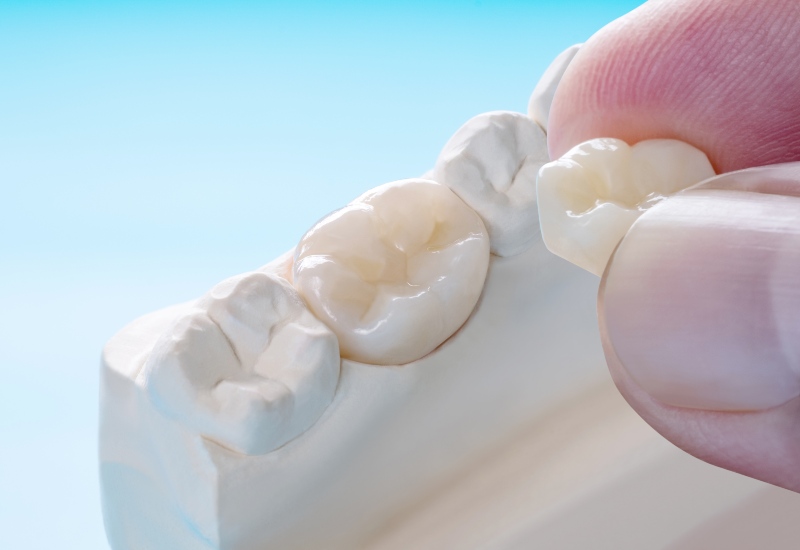
A Complete Guide to Same Day Dental Crowns
Getting a dental crown used to mean scheduling multiple appointments and wearing a temporary crown for days on end. This process was often inconvenient for patients and dentists alike as your temporary crown inevitably popped off at the most inconvenient time possible. However, technology is changing the game. Same-day dental crowns are now the norm, and this treatment means you can leave with a brand-new tooth in just one appointment. But with new technology comes a slew of questions. Is the speed of a same-day crown too good to be true? Are they as strong as the traditional versions crafted in a lab? Let’s explore everything you need to know about same-day crowns, from the technology behind them to the specific benefits they offer for your oral health.
What Are Same-Day Crowns?
Same-day crowns, often referred to by the technology used to create them (such as CEREC), are permanent dental restorations designed and inserted in a single appointment. Unlike traditional methods that rely on off-site dental labs, same-day crowns are manufactured right in the dental office.
The core of this dental crown procedure is CAD/CAM technology. This system allows your dentist to take a digital 3D image of your tooth rather than using gooey impression material. The digital map is sent to a computer program where the crown is designed to fit your bite and match your other teeth. Before the end of the appointment, you’ll have a fully restored, and fully functional, tooth.
Common Myths and Misconceptions About Same-Day Crowns
Despite their growing popularity, there is still some skepticism surrounding same-day restorations. Let’s clear up the most common misunderstandings:
Myth: Same-Day Crowns Break Easily
Speed often means sacrificing quality, and the same applies to dental crowns, right? You might worry that because the crown is made in 45 minutes rather than two weeks, it must be weaker. In reality, same-day crowns are milled from a single, solid block of ceramic or zirconia. This is the same process that a dental lab does to make a crown. When properly cared for, same-day dental crowns should have the same lifespan as lab made crowns.
Myth: They Look Unnatural
Years ago, same-day crowns sometimes lacked the translucency of natural teeth, often appearing flat or opaque. However, technology has significantly evolved since then. Modern ceramic used for dental crowns now comes in a vast array of shades and gradients. Your dentist can also stain and glaze the crown before the final placement to ensure it matches the exact color of your surrounding teeth.
Myth: They Are Much More Expensive
While the technology needed to offer same-day crowns is expensive for the dentist to purchase, the cost to the patient is similar to traditional crowns. With traditional methods, you’re paying for the dentist’s time across two visits, plus the external laboratory fees. With same-day dental crowns, you eliminate the lab fee and the second appointment, which often balances out the cost.
Why Would You Need Same-Day Crown Treatment?
Dental crowns are among the most common procedures your dentist performs. There’s a whole slew of reasons why a patient might need a dental crown completed in just one day. You might need this treatment if you have any of the following concerns:
- Tooth Decay—Sometimes, a large cavity compromises the structure of your tooth. A crown covers the tooth completely and protects it from breaking apart.
- Root Canal Treatment—Root canals inherently weaken natural teeth, so a crown is almost always required to seal the tooth and prevent a fracture.
- Cracked or Broken Teeth—Trauma, grinding (bruxism), or biting down on hard foods can crack a tooth. A crown holds the pieces of the tooth together, restores its function, and prevents the need for an extraction.
Know the Types of Dental Crowns
When we talk about same-day dental crowns, we’re referring to a method and timeline. The material used in the procedure is equally important, as certain materials offer different benefits and drawbacks. Here’s what to know about the types of dental crowns:
Ceramic (Porcelain)
Ceramic crowns are the most popular choice for same-day procedures, particularly for front teeth. They offer the best aesthetic match to natural teeth because the material mimics the translucency of tooth enamel. While strong, they are generally best suited for teeth that don’t endure the heaviest chewing forces.
Zirconia
Zirconia is an incredibly durable type of crystal. In the past, zirconia was too opaque for front teeth, but newer, more translucent versions are now available. Because of its extreme strength, zirconia is often the preferred material for molars (back teeth) where chewing pressure is highest.
Resin
Resin crowns are typically used as long-term temporaries or budget-friendly options. They are made from a composite material similar to fillings. While they can be milled quickly, they are generally not as durable as ceramic or zirconia and are more prone to wearing down or fracturing over time.
The Difference Between Same-Day vs. Traditional Crowns
You’ve heard a lot about the uses of same-day crowns in family dentistry, but what really sets them apart from traditional dental crowns? Let’s dig deeper into the main differences:
The Time Commitment
The most obvious difference between the two is the time commitment. Traditional crowns require at least two appointments spaced about two weeks apart. You may have to take time off work or school twice. Same-day crowns are completed in a single visit, usually lasting about two hours from start to finish.
The Impression Process
Traditional crowns require a gooey physical impression. This involves biting down on a tray filled with a putty-like material for several minutes, which can be uncomfortable. Same-day crowns use an intraoral scanner, a small wand that takes thousands of photos to create a 3D model. It is cleaner, faster, and much more comfortable.
Temporary Crowns
With the traditional, lab made crown method, you’ll wear a temporary crown while the permanent one is being made. Temporaries are often made of acrylic and are held in place with temporary cement so they can be easily removed. Unfortunately, this also means they can fall out at inopportune moments. Same-day crowns eliminate the need for temporaries entirely.
Accuracy and Fit
Traditional impressions are easy to mess up. They can be distorted by something as small as an air bubble and end up not fitting correctly. The digital scanning used for same-day crowns is accurate to the micron. This precision often leads to a better fit with fewer adjustments.
How Same-Day Dental Crowns Are Made
Same-day dental crowns are often the best option for patients who need a high quality fix in a short amount of time. But before your appointment, be sure you know what to expect. Here’s how same-day crowns are made:
- Preparation—At the start of your appointment, your dentist will numb the area, remove the decay, and shape the tooth to ensure the crown will cover it.
- Digital Scanning—Next, your dentist will use an intraoral camera to scan the prepared tooth. This creates a virtual 3D model of your mouth on the computer screen.
- Design—Using specialized software, the dentist designs your restoration on a computer. They can adjust the shape, size, and contours to ensure it fits perfectly.
- Milling—Once the design is approved, a block of ceramic or zirconia that matches your tooth shade is selected. Within 15 to 20 minutes, the in-office machine carves your custom crown.
- Sintering and Polishing—Depending on the material, the crown may need to be fired in a specialized oven (sintered) to harden it and bring out the final color. The dentist then polishes the crown or adds a glaze to give it a natural shine.
- Placement—Finally, the finished crown is placed on your tooth. Your dentist will make sure your bite looks good and everything fits properly before bonding it into place.
Reap the Benefits of Same-Day Crowns
Same-day dental crowns come with a long list of benefits beyond just saving time. Here’s why this procedure is recommended so often:
- Tooth Preservation—This procedure allows dentists to maintain as much of the healthy, natural tooth as possible.
- Reduced Anxiety—For many patients, fewer visits mean less dental anxiety.
- Immediate Results—You don’t have to chew on the other side of your mouth for two weeks. Once the numbness wears off, you can use your new tooth immediately.
- Lower Risk of Pain—A temporary tooth can sometimes cause sensitivity, but same-day dental crowns seal the tooth immediately and prevent emergency dental visits.
Frequently Asked Questions
How long do same-day crowns last?
With proper oral hygiene, same-day dental crowns should last just as long as traditional crowns. The average lifespan is between 10 and 15 years, though many last much longer.
Is the procedure painful?
You’ll be under local anesthesia during the preparation phase, so you should feel minimal discomfort. The digital scan is painless, and you simply relax in the chair while the crown is being milled.
Does insurance cover same-day crowns?
Generally, yes. Most dental insurance plans categorize same-day crowns exactly the same as traditional crowns. However, it’s always best to check with your provider first.
Can same-day crowns be used for front teeth?
Absolutely. The teeth don’t endure as much bite force as molars, so they’re excellent candidates for same-day restorations.
Restore Your Smile in a Single Afternoon
The days of waiting weeks to fix a broken tooth are behind us. Same-day crowns offer both convenience and comfort. Ready to restore your smile? Get in touch with Twin Aspen Dental Center in Parker, CO to schedule an appointment.