
Periodontal Disease Treatment
Protect Your Oral Health and Enhance Your Well-Being
Periodontal disease can have a serious impact on your smile and your overall health. In addition to negatively affecting the appearance of your smile, periodontal disease can also cause infections and bacteria to spread to other parts of the body. With our professional periodontal disease treatment at Twin Aspen Dental Center in Parker, CO, you can protect your oral health and preserve your smile.

What Is Gingivitis?
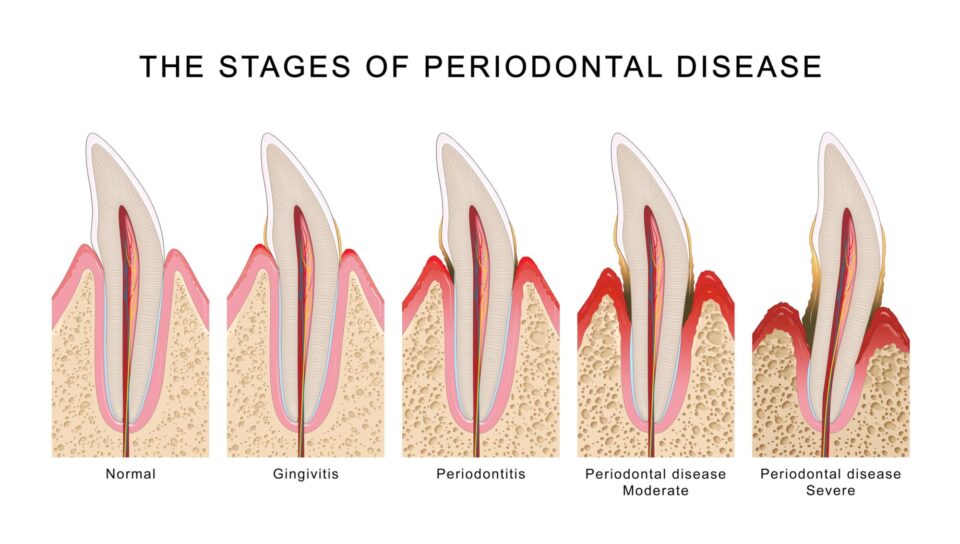
Gingivitis is a precursor to periodontal disease. It is an early-stage version of the condition and may present mild symptoms such as redness or swelling. If you can catch your periodontal disease when it is still classified as gingivitis, it is much easier to reverse the detrimental effects on your oral health.
What Is Periodontitis?
Periodontitis is an advanced stage of periodontal disease that can ravage the delicate soft and hard tissues surrounding your teeth. The infected gums can begin to break down, leading to tissue and bone loss that is often irreversible. Once the disease process has evolved into periodontitis, the treatment regimen is focused on stopping the condition’s progression and stabilizing the teeth.
Signs and Symptoms of Periodontal Disease
Early detection can be key to the successful treatment of periodontal disease. Once you know which gum infection symptoms to look for, it’s much easier to keep track of your gum health. The signs of periodontitis can include:
- Inflammation, swelling, and redness
- Bleeding of the gums, especially during flossing or brushing
- Extreme sensitivity to hot or cold temperatures
- Unusual discharge from the gums
- Tooth or gum pain
- Receding gum lines
- Bad breath
If you are experiencing any of these symptoms of infected gums, don’t hesitate to reach out to our office right away. Your dentist can evaluate your smile and determine if you have gum disease, and if so, they can help you devise a customized treatment plan that will target your individual health needs.
Gum Disease Treatment Options
When periodontal disease is detected in its early stages, non-surgical treatment options are often the best methods for restoring your oral health. Your dentist may recommend root scaling or planing, a process in which plaque and tartar is removed from deep within the gum lines. You may also apply an antibacterial medication to kill any remaining germs. Combined with regular professional teeth cleanings and a comprehensive oral hygiene routine, this treatment option can be extremely effective for treating mild periodontal disease.
If your periodontal disease has become too advanced for non-surgical treatment, your dentist may recommend a surgical solution. The most common form of surgical treatment is flap surgery, in which your dentist moves your gums away from the teeth to clean the roots. After the sanitation process is complete, your gums are sutured back into their natural position. Laser technology may also be used, depending on the technological capabilities of your dentist.
Periodontal Disease Treatment FAQs
X-rays help your dentist see what is happening under your gums and inside your teeth. It shows bone levels, hidden infections, and areas that need attention. This information guides accurate treatment planning. Patients benefit from these images, especially if there are signs of gum disease. The process is quick, comfortable, and uses low radiation, making it a valuable part of your exam.
Dental insurance often helps cover periodontal disease treatment, but the amount depends on your plan. Basic procedures may have partial coverage, while more involved care can vary. Our knowledgeable team can review your benefits and explain what to expect. Clear estimates and flexible payment options make it easier to plan for care and stay on track with your oral health. If you have any questions about dental insurance for periodontal disease, we recommend reaching out to your provider for further clarification.
Your first periodontal disease treatment appointment focuses on comfort and understanding your needs. A detailed exam, including X-rays, helps guide care. It helps to share your medical history and any concerns you have. Arriving with questions can make the visit more productive. Sedation options are available to help you feel relaxed and confident during treatment.
Many teeth affected by periodontal disease can be saved with timely care. Treatment removes infection and supports gum healing. The outcome depends on the severity of the condition and the gum’s response. Consistent home care and regular periodontal maintenance are major success factors. A personalized plan gives your teeth the best chance to stay strong and stable.
Periodontal maintenance helps keep your gums healthy after treatment. Many patients continue these visits long-term to prevent the disease from returning. The frequency depends on your individual condition and risk factors. Regular cleanings and checkups support lasting results. With a steady routine, patients often enjoy healthy gums and peace of mind about their oral health.
Contact Us Today!
Don’t let periodontal disease compromise your smile or your oral health. With our periodontal disease treatment at Twin Aspen Dental Center in Parker, CO, you can halt or even reverse the effects on your smile. For more information on our comprehensive dental solutions or to schedule an appointment, call (720) 996-1450.