
Sleep Apnea Treatment in Parker, CO
Get a Better Night’s Sleep with Twin Aspen Dental Center
At Twin Aspen Dental Center, we understand how exhausting it can be to live with poor sleep. That’s why we offer sleep apnea treatment in Parker, CO. Do you wake up feeling tired even after a full night of rest? Does your partner complain about your loud snoring? Either could be a sign of sleep apnea. We specialize in identifying sleep issues and providing effective solutions that fit our patients’ lifestyles.
What Is Sleep Apnea?
Sleep apnea is a common disorder where your breathing repeatedly pauses and stops while you sleep. These pauses in breathing can last from a few seconds to several minutes and can occur multiple times an hour. When your breathing stops, your body and brain do not get enough oxygen.
Usually, your brain senses this lack of oxygen and briefly wakes you up to reopen your airway. This awakening is often so short that you don’t remember it. However, it disrupts your sleep cycle, preventing you from reaching deep, restorative sleep. As a result, you might feel sleepy during the day, have trouble concentrating, or feel irritable. Sleep apnea can also lead to more significant health issues if left untreated.
Recognizing Sleep Apnea Symptoms
It can be challenging to identify sleep apnea on your own since the symptoms happen while you’re asleep. Often, a bed partner is the first to notice the signs of sleep apnea. We recommend scheduling an appointment at our Parker, CO, clinic if you experience any of the following:
- Loud Snoring – Snoring is the most common sign, especially if it’s loud enough to disturb your sleep or others.
- Gasping for Air – You might abruptly awaken, choking or gasping for breath.
- Morning Headaches – Waking up with a headache is common due to low oxygen levels or poor sleep quality.
- Excessive Daytime Sleepiness – You might find yourself falling asleep during quiet moments, like while watching TV or reading.
- Dry Mouth – Waking up with a dry mouth or sore throat is often a sign of breathing through your mouth at night.
- Mood Changes – Lack of sleep can lead to irritability, depression, or mood swings.
Different Types of Sleep Apnea
There are three main types of sleep apnea. Understanding which type you have is the first step toward finding the right sleep apnea treatment.
- Obstructive Sleep Apnea (OSA) – This is the most common form. It happens when the throat muscles relax too much and block your airway.
- Central Sleep Apnea (CSA) – This type is less common. It occurs when your brain doesn’t send the proper signals to the muscles that control breathing.
- Complex Sleep Apnea Syndrome – Also known as treatment-emergent central sleep apnea, this happens when someone has both obstructive sleep apnea and central sleep apnea.
Health Complications of Untreated Sleep Apnea
Treating sleep apnea is about more than just getting a good night’s sleep. It’s vital for your overall health. When left untreated, sleep apnea can lead to serious health complications, including:
- High Blood Pressure – The sudden drop in blood oxygen levels that occurs during sleep apnea can increase blood pressure and strain the cardiovascular system.
- Heart Problems – OSA increases your risk of having a heart attack, stroke, or abnormal heartbeats, such as atrial fibrillation.
- Type 2 Diabetes – People with sleep apnea are more likely to develop insulin resistance and type 2 diabetes.
- Liver Problems – People with sleep apnea are more likely to have abnormal liver function results.
- Safety Risks – Daytime fatigue increases the risk of workplace accidents and car crashes.
Our Sleep Apnea Treatment Options
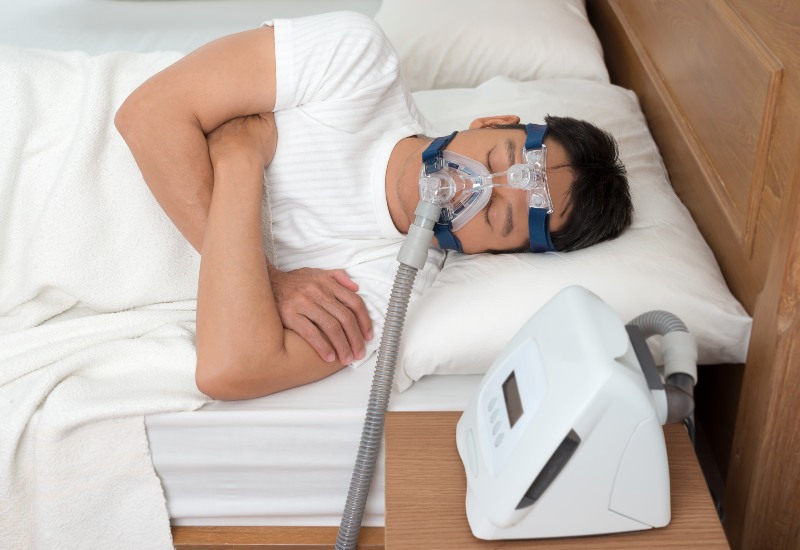
Twin Aspen Dental Center offers effective alternatives to those who cannot tolerate a CPAP machine. While CPAP is an effective and common treatment, many patients find it uncomfortable and hard to stick with. After one year, around 25% of CPAP users can tolerate their CPAP. We focus on an oral appliance for sleep apnea. This custom-fit device is worn only while sleeping. It supports your jaw in a forward position to help keep your airway open.
Benefits of Oral Appliance Therapy
- Comfortable – Custom-made to fit your mouth perfectly
- Quiet – No noisy machines to disturb you or your partner
- Portable – Easy to pack for travel
- Easy to Use – Simply put it in before bed and take it out in the morning
FAQ About Sleep Apnea
Is Snoring Always a Sign of Sleep Apnea?
Not necessarily. While loud snoring is a very common symptom, not everyone who snores has sleep apnea. However, if pauses in breathing or daytime tiredness accompany your snoring, you should get checked.
Can Children Have Sleep Apnea?
Yes, children can have sleep apnea. Signs include snoring, bedwetting, sleeping in unusual positions, and behavioral issues at school. If you suspect your child has sleep issues, consult a doctor.
Will Losing Weight Cure My Sleep Apnea?
For some people, losing excess weight can significantly improve or even cure OSA. However, thin people can also have sleep apnea due to narrow airways or other structural issues.
How Do I Know If the Oral Appliance Is Working?
You should notice a decrease in snoring and an increase in energy levels during the day. We’ll also schedule follow-up appointments to monitor your progress and make any necessary adjustments. The best test for efficacy is to take another sleep study while wearing your oral appliance.
Contact Us for Sleep Apnea Treatment Today
You deserve to wake up feeling refreshed. If you suspect you have sleep apnea or are unhappy with your CPAP, seek help at Twin Aspen Dental Center. We’ll evaluate your needs and determine if an oral appliance for sleep apnea is the right solution for you. Contact us today.