
Choosing the Right Toothbrush: Manual vs. Electric
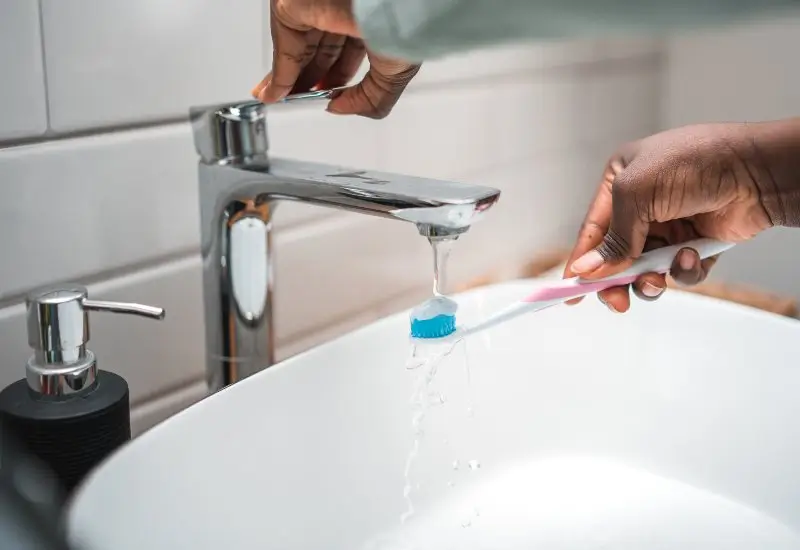
At Twin Aspen Dental Center in Parker, CO, we often get asked about the manual vs. electric toothbrush debate. The truth is that the choice depends on your personal needs and dental health goals. Manual toothbrushes are affordable, easy to travel with, and allow full control of brushing technique, while electric toothbrushes offer advanced features like timers and oscillating bristles that can make cleaning teeth more effective. Factors like tooth and gum sensitivity, dexterity, and budget all play a role in making this decision. Choosing the right toothbrush is essential for maintaining a healthy smile, and we’re here to help you make an informed choice. You’re welcome to explore this topic in more detail by reading the content below.
The Manual vs. Electric Toothbrush Debate
Your toothbrush is the cornerstone of good oral hygiene, playing a vital role in keeping your teeth and gums healthy. Brushing daily removes food debris, sugars, and bacteria that can lead to cavities or infections. It also helps prevent plaque buildup, a major cause of gum disease. With so many toothbrush options available, choosing the right one can feel overwhelming, but it doesn’t have to be complicated. The best toothbrush is simply the one you’ll use consistently. For most people, a soft-bristled brush is ideal because it’s gentle on enamel while effectively cleaning teeth. A smaller brush head can also make it easier to reach tricky areas in your mouth. Whether you prefer a manual or electric toothbrush is a personal choice. Both options are effective as long as you brush thoroughly and regularly. In this guide, we’ll explore the electric and manual toothbrush pros and cons to help you choose the best option for your oral care routine.
What Is the Best Toothbrush: Electric Toothbrush Details
Electric toothbrushes, often called “power toothbrushes,” use a motorized handle to move the bristles with oscillating or vibrating motions. These brushes are highly recommended by dental professionals like Twin Aspen Dental Center for their ability to clean teeth more effectively than manual brushes. However, proper technique is essential to avoid harming your gums and to maximize their benefits for oral health. When used correctly, electric toothbrushes can help remove plaque, reduce the risk of gum disease, and promote a healthier, brighter smile.
Electric Toothbrush Types
There are three main types of electric toothbrushes: sonic, oscillating, and rotary. Each offers effective cleaning, but rotary brushes are known for their compact, smaller brush heads. To help you decide which is right for you, we’ve outlined the key features of each type so you can choose the best fit for your oral care routine:
- Sonic toothbrushes use high-speed vibrations to break apart plaque and remove debris.
- Oscillating toothbrushes clean by moving side to side across the surface of your teeth.
- Rotary toothbrushes clean with a spinning, circular motion.
Electric Toothbrush Benefits
Electric toothbrushes offer superior cleaning, precision, and control compared to manual brushing. Their automated brush heads are designed to effectively follow the natural shape of your teeth, delivering a deeper clean with less effort. These brushes are especially helpful for kids and individuals who find it challenging to maintain proper brushing techniques. Many models include helpful features like timers to promote longer brushing sessions and advanced bristle movements that clean in multiple directions for a more thorough result. By combining ease of use with innovative technology, electric toothbrushes make it easier to maintain good oral hygiene. These benefits ensure a cleaner and healthier smile for users of all ages.
Problems with Electric Models
Using too much pressure is a common concern with electric toothbrushes. For individuals who tend to brush aggressively, the risk of pressing too hard increases with these devices, which can contribute to gum damage or recession over time. The built-in power of the toothbrush may unintentionally amplify this issue. Fortunately, most brushes have a build in sensor letting you know if you are brushing too hard. Another downside to electric toothbrushes is their cost. They often come with a higher initial price tag compared to manual options, and ongoing expenses can add up. Replacing brush heads regularly, recharging the device, or purchasing new batteries can make them more expensive in the long term. While effective, these factors are important to consider when deciding on an electric toothbrush.
Essential Facts About Manual Toothbrushes
Manual toothbrushes keep things simple and effective, relying entirely on your brushing technique to get the job done. With proper use, they can be an excellent tool for maintaining your daily oral care routine. By brushing for two minutes twice a day and using the right motion—small, circular strokes—you can effectively remove plaque and maintain healthy gums. Affordable and widely available, manual toothbrushes remain a dependable choice for those who prefer a no-frills approach to oral hygiene.
Manual Toothbrush Types
Choosing the right manual toothbrush depends on personal needs because not all brushes work equally well for everyone. Factors like bristle design and head shape can influence how effectively a toothbrush cleans. Since every individual’s teeth and gums are unique, it’s important to find a toothbrush that suits your specific oral care needs. Below are some common types of manual toothbrushes to consider:
- Straight Bristles – Simple and effective for general cleaning.
- Zig-Zag Bristles – Designed to reach between teeth for better plaque removal.
- Tapered Bristles – Gentle on gums while targeting hard-to-reach areas.
- Compact Heads – Ideal for smaller mouths or accessing back teeth.
Benefits of a Manual Toothbrush
Manual toothbrushes offer an effective and reliable way to maintain a healthy smile as part of your daily oral care regimen. Their simplicity, affordability, and ease of use make them a practical choice for people of all ages. By incorporating a manual toothbrush into your routine, you can enjoy thorough cleaning, versatility, and convenience without needing power or complex technology. Some benefits of manual toothbrushes include the following:
- Affordable – Manual toothbrushes are a cost-effective solution for maintaining oral hygiene.
- Easy to Use – Their straightforward design makes them suitable for all age groups.
- Adaptable – Available in a variety of shapes and sizes, they cater to different needs and preferences.
- No Power Needed – Unlike electric toothbrushes, they don’t rely on batteries or charging, so they’re always ready to use.
- Travel-Friendly – Lightweight and compact, they’re an ideal choice for trips or daily portability.
Problems With Manual Toothbrushes
Using a manual toothbrush can often lead to less effective cleaning results due to its limitations. Many people rely on improper brushing techniques, such as quick, horizontal strokes, which fail to reach all areas of the teeth and gums. This can leave behind plaque, especially in hard-to-reach spaces. Additionally, manual toothbrushes lack the advanced features of electric ones, such as vibrations or oscillations, which are designed to break down plaque more efficiently. Over time, this reduced cleaning ability may contribute to tartar buildup, staining, and even gum health issues, making it harder to keep your teeth as clean as possible.
Trust Twin Aspen Dental Center for Care & Insight
Whether you need general family dentistry, cosmetic procedures, or emergency dental care, Twin Aspen Dental Center is ready to help you. We have the necessary seasoned insight and skill set to care for your oral health and advise you on what to do at home for a beautiful smile. Connect with us today to schedule a routine or emergency appointment at our office.